
Peptide Handling and Storage
NuScience Peptides are delivered as high-purity lyophilized powders. Learn the optimal temperature protocols, reconstitution guidelines, and laboratory precautions to preserve maximum stability and bioactivity.
Ambient Shipping
Peptides are shipped at ambient temperature via standard carrier services (FEDEX, USPS, DHL). Lyophilized powders remain stable during transit.
Short-Term (39 °F / 4°C)
Refrigerate lyophilized peptides at 39°F (4°C) for up to 3 months. Protect vials from direct light exposure.
Long-Term (< -4 °F / -20°C)
Store un-reconstituted lyophilized vials below -4°F (-20°C) to -112°F (-80°C) for long-term storage exceeding 4 months.
Understanding Lyophilized Powder Appearance
Peptides are shipped at ambient temperature by standard shipment process (FEDEX, USPS, DHL…).
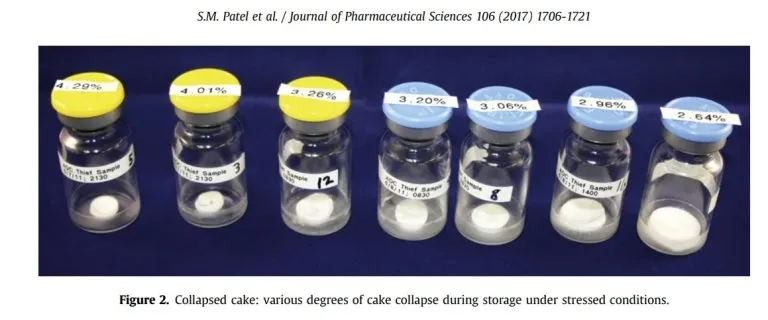
NuScience Peptides are delivered as lyophilized powders. The apparent volume of powder can be variable between 2 tubes containing the same quantity. This difference should not be regarded with suspicion. Some peptides, such as short sequences, are highly hygroscopic and therefore can appear as a gel or can be hardly visible.
Short-Term Storage Guidelines
Lyophilized peptides are stable at room temperature and can be kept in their initial packaging for several days to weeks. Otherwise, peptides can be stored at 39 °F or colder for up to 3 months, according to your preference and to experimental requirements. Peptides should be protected from intense light.
Long-Term Storage & Solution Handling
We recommend storing peptides at < -4 °F or -112°F for a period longer than 4 months.
Storage of Peptides in Solution
When preparing stock solutions, it’s recommended to use dry (anhydride) organic solvents to prevent premature hydrolysis. The stability of peptide aliquots can vary, lasting from weeks to months. A widely accepted guideline is that peptides in solution remain generally stable for 1-2 weeks at +39°F, 3-4 months at -4°F, and up to 1 year at -112°F. Understanding these considerations is vital for researchers. Additionally, tools like a peptide calculator can assist in precise measurements, contributing to the overall handling and stability of peptides in various applications.
Nevertheless, we recommend our clients to handle peptides with caution. Lyophilized peptides can be volatile. Some peptides can be toxic for humans, animals or the environment. The use of laboratory personal protective equipment, such as gloves, masks, and safety glasses is mandatory. Finally, it is very important to handle peptides in a clean and well-ventilated room.
FDA Disclaimer
THE INFORMATION PRESENTED IN THIS ARTICLE IS PROVIDED FOR EDUCATIONAL AND INFORMATIONAL PURPOSES ONLY. The US Food & Drug Administration has not assessed the statements about NuScience Peptides. Peptides and any related products discussed are not intended to diagnose, cure, or prevent any disease. The products mentioned in this article are designed for in-vitro research only, conducted outside the human body. These products are not medicines or drugs. And the FDA has not endorsed them for any medical condition or ailment treatment. Any bodily introduction into humans or animals is strictly prohibited by law.
Frequently Asked Questions
Everything you need to know about our research peptides
NuScience peptides are research-grade compounds verified to 99%+ purity by HPLC and mass spectrometry through independent third-party laboratories. They are supplied strictly for research and analytical purposes only.
HPLC purity is the target peptide compared with peptide-related impurities. Net peptide content is actual peptide compared with water, salts, and counter-ions in the vial, which is why a 99% pure peptide can weigh in at a lower net content.
It means the compound is a laboratory reagent for in vitro and analytical research, not a drug or supplement, and not for human or veterinary use.
Match the lot number on the vial to its batch-specific certificate on the Lab Test Results page, and check that the HPLC and mass spectrometry results meet the stated specification.
Lyophilized peptides should be stored at −20°C or below, protected from moisture and light. Once reconstituted, peptides should be refrigerated for short-term use or aliquoted and frozen for long-term storage. Proper storage ensures stability and experimental reproducibility.
Every batch has a COA published on our Lab Test Results page, so you can verify purity and identity before ordering.
Peptides are generally recommended to be stored in a cool and dry environment, but refrigeration is not always necessary. It depends on the specific peptide and its stability characteristics. Always refer to the supplier’s guidelines for storage recommendations.
The stability of peptides varies, but they are often stable at temperatures ranging from -4°F to +39°F (-20°C to +4°C). However, this is a general guideline, and it’s crucial to check the specific stability information provided by the supplier for each peptide.
Yes, peptides can be stored in the freezer, and it is a common practice to enhance their shelf life. Peptides are often stable for longer periods when stored at temperatures below -4°F (-20°C). Again, check the specific storage recommendations provided by the supplier.
Peptides can be sensitive to heat, and exposure to high temperatures may lead to degradation. It is advisable to store peptides in a cool environment and avoid prolonged exposure to elevated temperatures. Always follow the recommended storage conditions to maintain the stability and integrity of the peptides.